As Delivery Product Manager for our Spain tours, I recently travelled to Valencia to experience the excursions in our new itinerary, Flavours of Valencia.
Valencia really does offer something for everyone. Food lovers can sample authentic paella in its birthplace, while those with an interest in architecture can admire the otherworldly City of Arts and Sciences museum complex.
I wanted to share a few highlights from my visit and showcase why Valencia should be next on your travel list.

Iconic Landmarks
I started by exploring some of Valencia's most famous landmarks, beginning with the UNESCO-listed Silk Exchange, La Lonja de la Seda, which was only 10 minutes' walk from our hotel. The building itself is truly mesmerising, and my favourite part had to be the Columned Hall with its eight helical stone columns, where merchant contracts used to be negotiated.
From there, it was just a 5-minute walk to reach Valencia Cathedral. What makes this cathedral particularly special is that it houses the Holy Chalice itself - believed to have been used by Jesus at the Last Supper. The main alter took my breath away, with 15th-century Renaissance frescoes depicting winged musician angels.
My next stop was the Central Market, where you can sample an abundance of fresh produce such as freshly squeezed orange juice, a Jamón Ibérico sandwich or a refreshing glass of traditional horchata.
I finished my walk at the Serrano Towers, one of the twelve gates that formed part of the ancient city walls. If you wish to, you can climb the towers and reward yourself with excellent views across the city.
Authentic Spanish Fare
The next highlight of my trip was a visit to Huerto Ribera in Carcaixent, known as the birthplace of the Valencia orange. The estate has remained in the Ribera family for five generations, and they continue to grow oranges alongside a wide variety of other citrus fruits using modern cultivation methods.
This is an experience our groups will enjoy for themselves, wandering through the fragrant groves, learning about the different varieties and sampling the fruit along the way.
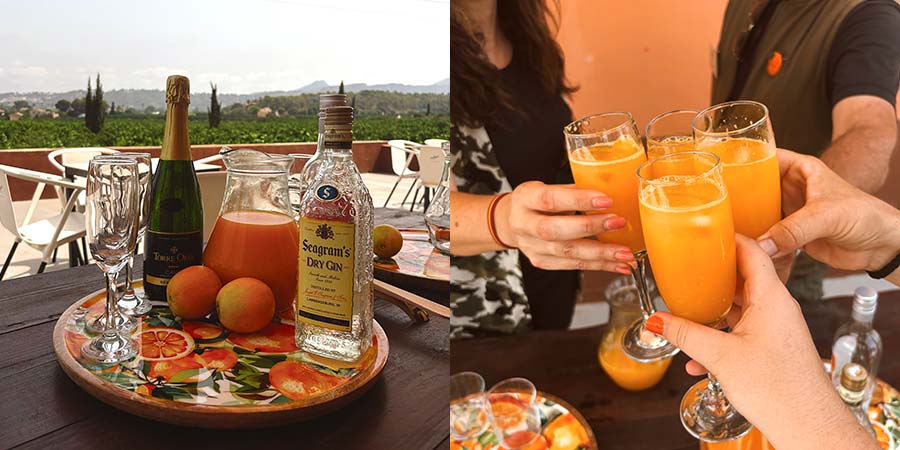
During the visit, I also learnt how to make Agua de Valencia, the city's iconic cocktail, which blends plenty of fresh local orange juice with vodka, gin and cava.
After this, I was lucky to experience a delicious themed lunch among the citrus orchards, just like our group will. The menu celebrated local produce, including Fideuà, a traditional dish from the Valencian coast that's similar to paella, but with pasta instead of rice.
This was one of the standout experiences of my trip, bringing together the flavours of the region and the beautiful surroundings of the orchards.
Natural Wonders
After exploring the citrus groves, it was time to experience a different side of the region with a visit to Albufera Natural Park. This protected wetland is home to a vast freshwater lagoon surrounded by rice paddies.
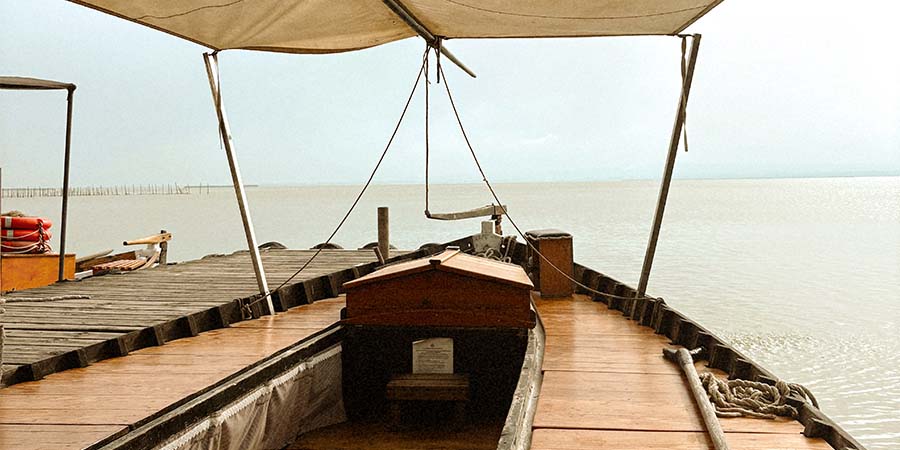
Like our groups will, I enjoyed a relaxing boat ride across the lagoon, drifting through the calm waters while spotting local wildlife and looking out for the traditional Barracas, the distinctive farmhouses used by the region's farmers and fishermen.
The experience is made even more special by Albufera's place in Valencia's culinary history. Widely recognized as the birthplace of paella, it's the perfect setting for our groups to take part in an authentic paella cooking class, leaning how to prepare one of Spain's most famous dishes where it all began.
Culture & Architecture
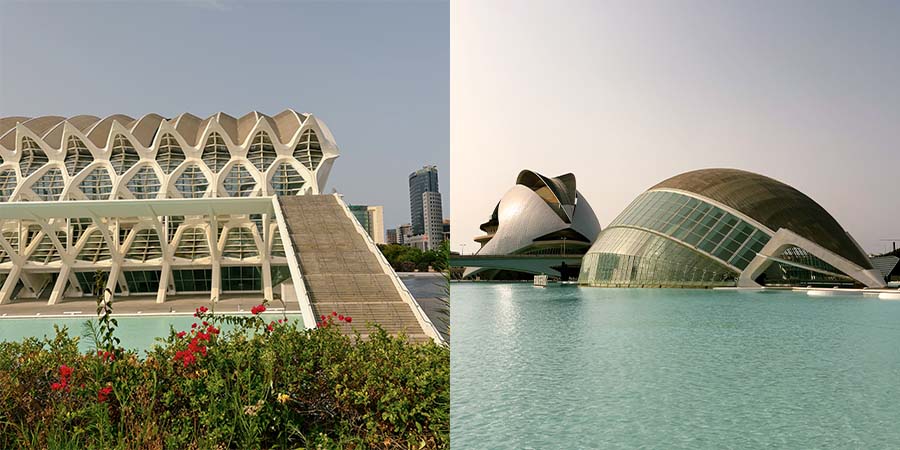
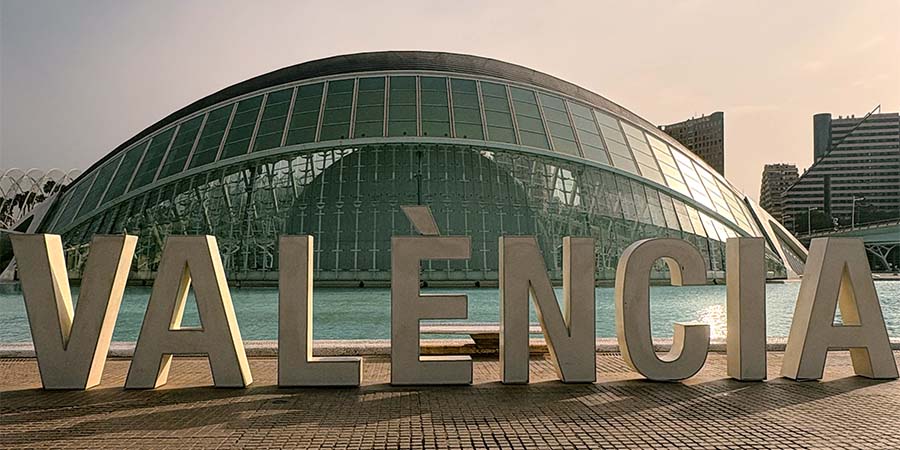
My final highlight was taking Valencia's easy-to-use metro system to the City of Arts and Sciences museum complex. I had seen a number of photos before my visit, but they don't quite prepare you for seeing the buildings in person.
Their striking, futuristic design truly stands out from the rest of the city. The complex is made up of six iconic buildings including L'Oceanogràfic, Europe's largest aquarium, the Palau de les Arts Reina Sofía opera house and the Museu de les Ciències, an interactive science museum.
With your day at leisure, I would thoroughly recommend making the trip. Whether you choose to visit one of the attractions or simply wander around the complex, to me it feels like one of the most memorable sights and is impressive from every angle.
You can experience everything I did and more for yourself on Flavours of Valencia Tour with Great Rail Journeys